Safe Winter Mountain Driving in Colorado’s High Country
Winter driving in Colorado’s mountains requires focus, restraint, and preparation. Snow-packed roads, steep grades, and fast-moving storms reduce margin for error. Whether you live in the region or travel to places like Telluride, Aspen, or Crested Butte, winter habits play a direct role in safety.
These are the same fundamentals professional mountain drivers follow throughout the season.
Slow Down and Drive With Margin
Speed causes most winter driving crashes. Snow and ice reduce traction and extend stopping distance.
Smart habits include:
• Driving well below posted speeds on snow-covered roads
• Leaving six to eight seconds of following distance
• Avoiding sudden throttle, braking, or steering inputs
Experienced drivers look far ahead. They slow early and stay consistent instead of reacting late.
Use Engine Braking on Downhill Grades. Good preparation includes:
• Checking forecasts before and during travel
• Knowing how passes, canyons, and shaded curves behave
• Adjusting speed for visibility and snowfall rate
Drivers also rely on the Colorado Department of Transportation website, COtrip Traveler Information Homepage. It provides current road conditions, traction and chain law alerts, closures, and live highway cameras. These tools help drivers plan routes and reduce uncertainty.
Tires Matter More Than Drive Type
All Wheel Drive helps a vehicle move. Tires determine how it stops and steers.
Professional winter standards include:
• Dedicated winter tires
• Deep tread to clear snow and slush
• Rubber is designed to stay flexible in cold temperatures
Long descents increase risk in winter conditions.
Instead of riding the brakes:
• Downshift to slow the vehicle
• Hold a steady downhill speed
• Reduce brake heat and wheel lockup
Engine braking offers smoother control when traction is limited.
Know Weather and Road Behavior
Mountain weather changes quickly. Conditions vary by elevation, shade, and wind exposure.
Quality winter tires shorten stopping distance and improve control.
Smooth Inputs Keep You Upright
Winter driving rewards patience and consistency.
Focus on:
• Gentle throttle application
• Progressive braking
• Calm, deliberate steering
Smooth inputs keep the vehicle balanced on slick surfaces.
The Vehicle Plays a Role When Used Properly
Professional safety pairs trained drivers with capable vehicles.
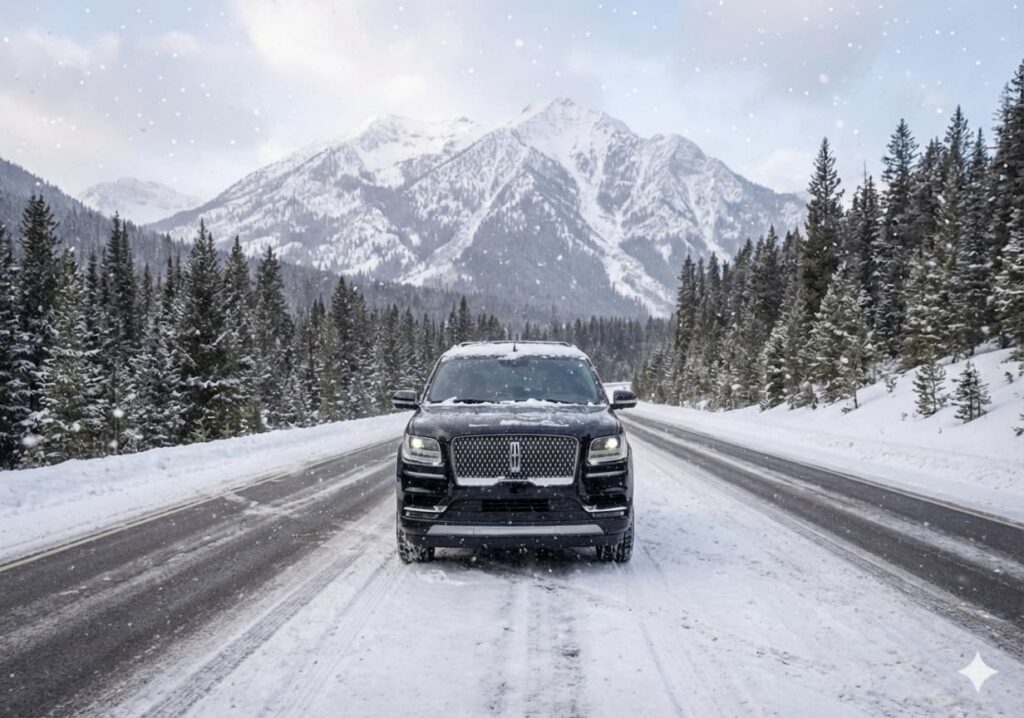
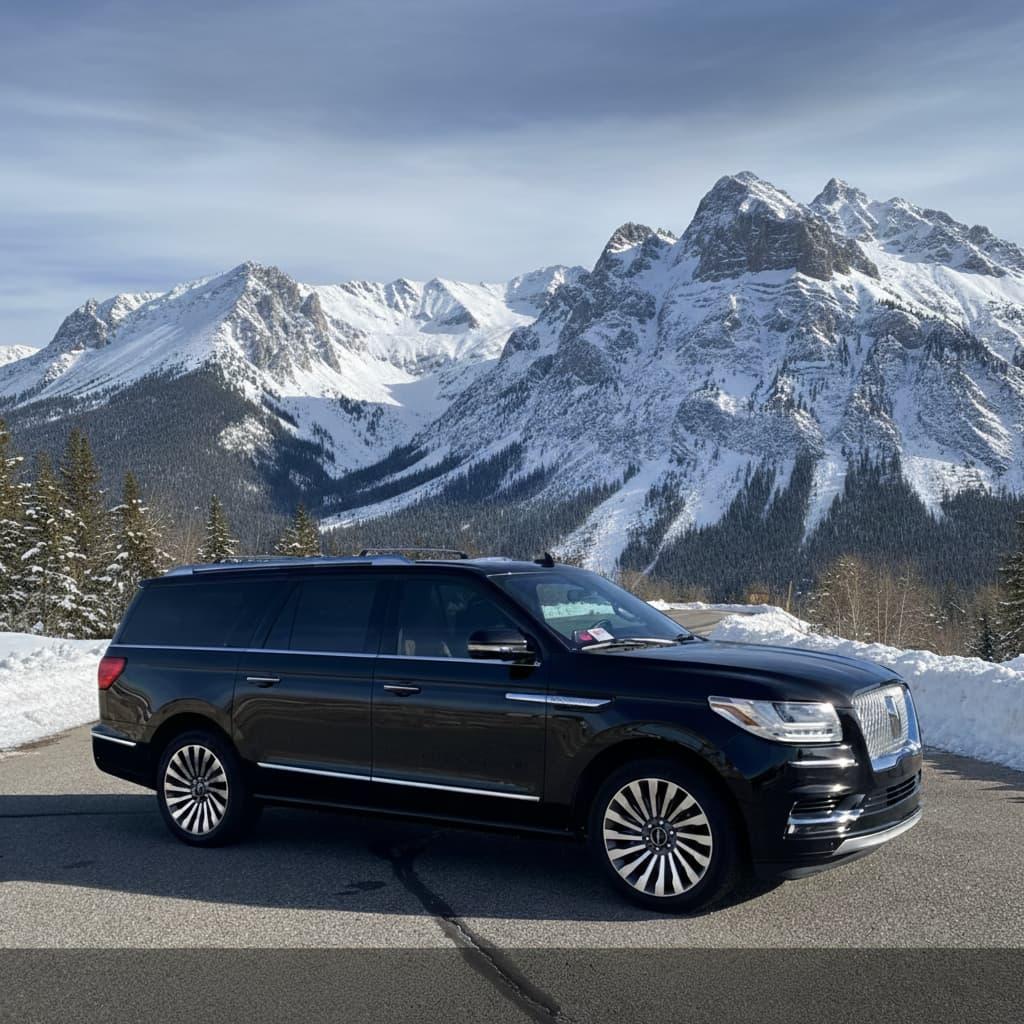
Our fleet uses Lincoln Navigators, chosen for winter mountain travel. They offer intelligent Four Wheel Drive, snow-focused drive modes, and manual downshift control for long descents. Each vehicle is equipped with Bridgestone Blizzak winter tires, a proven standard for snow and ice performance.
Technology Helps. Experience Leads.
Modern vehicles and winter tires support safety. The driver remains the key factor.
Real mountain safety comes from:
• Years of winter driving
• Familiarity with local passes and resort corridors
• Judgment built through repeated exposure to winter conditions
Professional drivers reduce risk through preparation and restraint.
Final Thought
Safe winter travel in Colorado’s high country depends on planning, proper equipment, and experience. Speed control, smooth technique, current road data, and skilled drivers all contribute to safer outcomes.
For travel to Telluride, Aspen, Crested Butte, and other high-elevation destinations, choosing a professional black car service with true mountain experience helps ensure a safe and stress-free arrival.